Dr. Purser explains the diagnosis and treatment of MTHFR (methylenteterahydrofolate reductase enzyme deficiency disease). Learn the genetic component of this illness (such as C677T or A1298C) and how it affects the body's inability of methylation to convert carbohydrates into ATP (Adenosine Triphosphate).
Discover how the complex enzyme pathways of the Krebs cycle and citric acid cycle convert carbohydrate molecules into ATP molecules in the mitochondria. Explore the relationship of MTHFR to vitamin and hormone deficiencies while understanding how vitamin supplements can replace key missing (unmethylated) vitamins in MTHFR patients.
Contact us at (801) 796-7667 or info@danpursermd.com for help. Check back often for the newest updates!
Compare the products below, including their ingredients and available forms. Your care team can help you choose one or more options for your needs.
COMPARE YOUR OPTIONS
Methylation support
Dr. Purser discusses these supplements in relation to MTHFR.
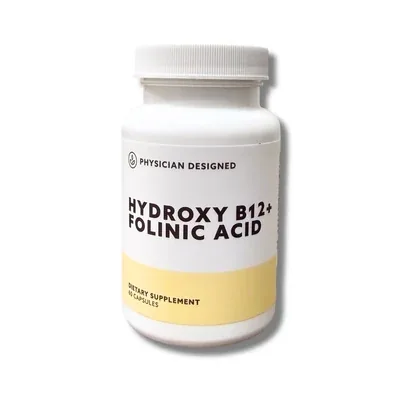
MTHFR Daily and Hydroxy B12 + Folinic Acid are alternatives. Your folate, vitamin B12, and genetic results can help your clinician choose between them.
Makes an enzyme that helps produce a form of folate used in the processing of homocysteine. Common variants are different from rare variants that cause severe MTHFR deficiency.
— A Guide by the World’s Leading Homocysteine Expert For more than four decades as a practicing physician, I have watched thousands of patients cycle through conventional autoimmune treatments that address symptoms but never touch the fire underneath. Rheumatoid arthritis flares, lupus rashes, multiple sclerosis relapses, Hashimoto’s thyroiditis, fibromyalgia pain—these are not random. They share a common, often overlooked biochemical pathway: MTHFR mutations leading to elevated homocysteine that supercharges autoimmune inflammation . This is not fringe theory. It is the clinical reality I hav
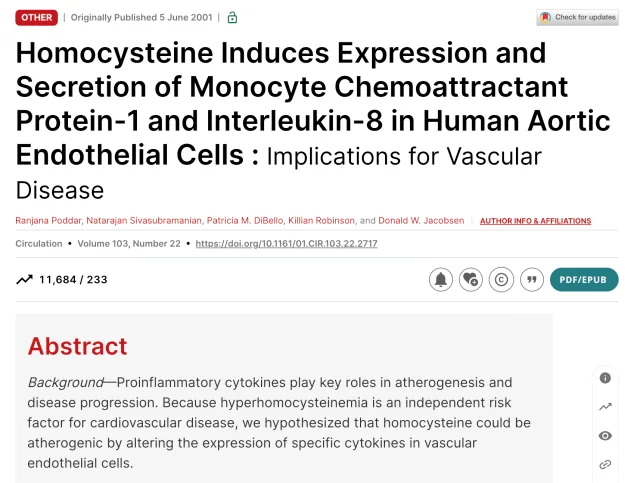
Most people have never heard of homocysteine , yet this small molecule may hold the key to understanding inflammation, cardiovascular disease, neurological problems, and many chronic conditions. For decades, homocysteine was viewed as a toxic substance in the blood. Doctors were taught that lowering it with B-vitamins might reduce heart disease risk. But research results were inconsistent, leaving many physicians unsure whether homocysteine truly mattered. New research and clinical observations are changing that view. We introduce a new framework called the Purser Model , which explains why ho