THE TEACHING CONNECTION
An amino acid used in protein synthesis and other metabolic processes.
What it does
An amino acid used in protein synthesis and other metabolic processes.
How supplementation is approached
Arginine is considered within the amino-acid pattern rather than from circulation symptoms alone. Review total protein, digestion, training demand and the number of other low amino acids. Arginine participates in nitric oxide production, but this does not make an arginine product interchangeable with treatment for vascular disease.
What symptoms can—and cannot—tell you
A low intake or a laboratory finding is not automatically a standalone deficiency diagnosis. Assess overall protein intake, absorption and the clinical setting with a qualified clinician.
Food sources
Protein foods such as eggs, fish, poultry, meat, dairy, soy and legumes supply amino acids. The body also makes some amino acids.
Supplement forms
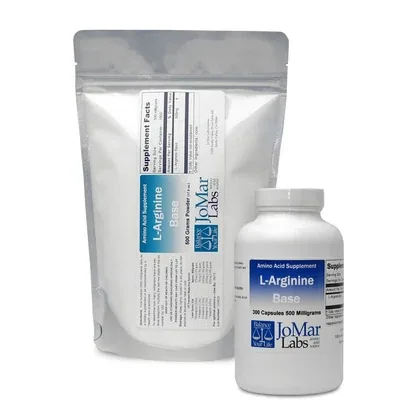
L-arginine powders and capsules. An amino-acid blend may already include it.
When several amino acids are low
If your report shows several low amino acids, your clinician may discuss an amino-acid mix. Check the ingredients: some mixes leave out cysteine, taurine or tryptophan. A mix is not a substitute for understanding why the results are low.
What to track and reassess
Track the intended recovery goal and digestive tolerance. Review cardiovascular history and medicines before choosing a concentrated product.
From starting support to follow-up
If you and your clinician start a CMA replenishment plan, you may add one new product at a time, often waiting 3–7 days to see how you feel. A check-in is usually planned near ten weeks during an approximately 100-day period. Follow your written plan for amounts and timing. At follow-up, you may continue, change, or stop each item. This timetable does not automatically end longer-term support.
Names you may see
Arginine
EXPLORE WITH YOUR CARE TEAM
Supplements to explore
Compare the products below, including their ingredients and available forms. Your care team can help you choose one or more options for your needs.
SUPPLEMENT OPTIONS
Arginine
Compare supplement options related to Arginine.
Different products offer different forms and amounts. Compare the labels with your clinician to find what fits your needs.
SUPPLEMENT OPTIONS
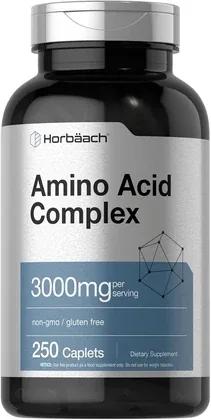
Amino Acid Complex
This formula brings several nutrients together in one supplement.
An amino acid complex may be considered when your test shows a need for at least four different amino acids. Cysteine, taurine, and tryptophan are considered separately.
Tell your care team which supplements and medicines you already take. Check the product page for current ingredients, prices, and availability.
