THE TEACHING CONNECTION
Selenium and the GPX connection
Selenium and the GPX connection
Dr. Purser teaches selenium in relation to glutathione peroxidase enzymes and thyroid/redox context. The useful connection is between a mineral cofactor and the antioxidant machinery that uses it; selenium is not the same thing as glutathione.
Putting the pieces together
Selenium helps some antioxidant enzymes work, but a GPX variant does not prove a selenium deficiency. Review food, multivitamins, thyroid products and separate supplements together. Taking too much selenium can be harmful.
How supplementation is approached
Dr. Purser connects selenium with glutathione peroxidase activity and thyroid/redox support. Review existing multivitamins and other selenium sources before deciding on a separate product. A GPX variant does not establish selenium deficiency.
Food sources
Seafood; meat; eggs; grains; Brazil nuts, whose selenium content is highly variable.
Supplement forms
Selenomethionine and sodium selenite.
A question to bring to your visit
Do current findings support selenium supplementation, and what is my total intake from all products?
What to track and reassess
Add up how much selenium you get from all products and avoid high doses on your own. Discuss which thyroid or nutrient results should be checked again.
From starting support to follow-up
If you and your clinician start a CMA replenishment plan, you may add one new product at a time, often waiting 3–7 days to see how you feel. A check-in is usually planned near ten weeks during an approximately 100-day period. Follow your written plan for amounts and timing. At follow-up, you may continue, change, or stop each item. This timetable does not automatically end longer-term support.
Names you may see
Selenium
EXPLORE WITH YOUR CARE TEAM
Supplements to explore
Compare the products below, including their ingredients and available forms. Your care team can help you choose one or more options for your needs.
CAPSULES & LIQUID
Glutathione options
Learn more about this supplement.
Compare the ingredients and available forms with your care team.
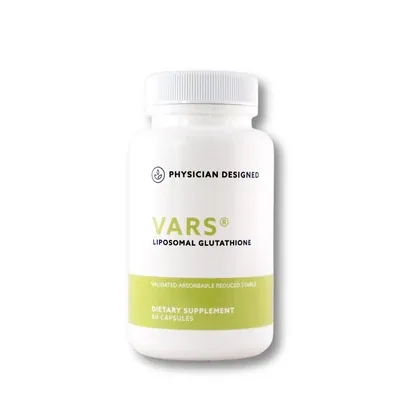
SUPPLEMENT OPTIONS
Selenium Citrate
Compare supplement options related to Selenium.
Different products offer different forms and amounts. Compare the labels with your clinician to find what fits your needs.
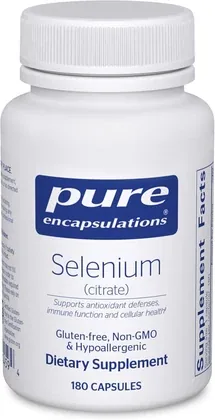
Tell your care team which supplements and medicines you already take. Check the product page for current ingredients, prices, and availability.
