THE TEACHING CONNECTION
Supports collagen formation, antioxidant activity and absorption of nonheme iron.
What it does
Supports collagen formation, antioxidant activity and absorption of nonheme iron.
Possible deficiency symptoms
Severe deficiency can cause bleeding gums, easy bruising, poor wound healing and fatigue.
How supplementation is approached
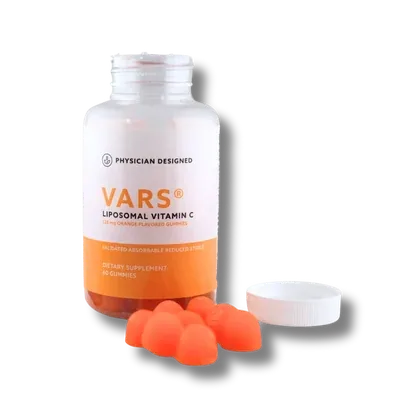
Review vitamin C intake, the actual nutrient or redox finding and the formulation being considered. VARS Liposomal Vitamin C Gummies are a relevant Physician Designed option when appropriate to the plan; a liposomal label alone does not establish the amount an individual needs.
Food sources
Citrus; bell peppers; kiwi; strawberries; broccoli.
Supplement forms
Ascorbic acid and mineral ascorbates.
What to track and reassess
Check vitamin C in multivitamins and immune blends, record bowel tolerance and discuss kidney-stone or iron-overload history before high supplemental intake.
From starting support to follow-up
If you and your clinician start a CMA replenishment plan, you may add one new product at a time, often waiting 3–7 days to see how you feel. A check-in is usually planned near ten weeks during an approximately 100-day period. Follow your written plan for amounts and timing. At follow-up, you may continue, change, or stop each item. This timetable does not automatically end longer-term support.
Names you may see
Vitamin C (Ascorbic Acid) · Ascorbic Acid
EXPLORE WITH YOUR CARE TEAM
Supplements to explore
Compare the products below, including their ingredients and available forms. Your care team can help you choose one or more options for your needs.
SUPPLEMENT OPTIONS
Vitamin C supplement options
Compare supplement options related to Vitamin C.
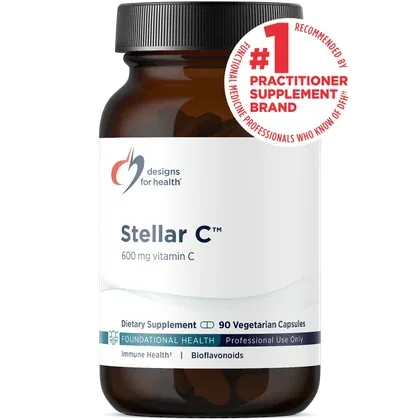
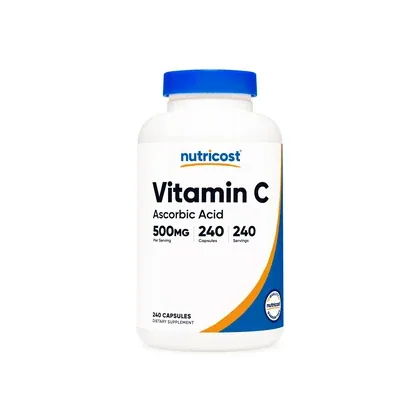
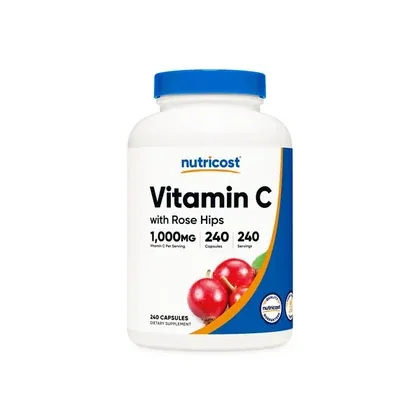
For severe or super severe vitamin C findings on a CMA test, Dr. Purser may discuss VARS Vitamin C, Stellar C, and Vitamin C with Rose Hips together. Ask your clinician which options and amounts fit your results.
Tell your care team which supplements and medicines you already take. Check the product page for current ingredients, prices, and availability.