Why this matters
Learn the difference between a cardiovascular risk marker and a treatment that prevents events.
How the pieces connect
Blood-vessel function, clotting, and inflammation may relate to risk. Compare studies of risk with trials that measure heart attacks or strokes.
Association is not the same as prevention
An observational study can find that higher homocysteine accompanies greater cardiovascular risk. A treatment study asks a different question: does an intervention reduce events? Differences in study design, underlying illness and the chosen outcome matter. Read a reported change in homocysteine beside the actual cardiovascular outcomes, rather than assuming one is a substitute for the other. Risk assessment also extends beyond a single metabolic marker.
Keep in mind
Lowering homocysteine has usually not prevented heart attacks or strokes in treatment studies. Ask whether testing this marker would help with your own care.
A question for your next conversation
Did the intervention improve health outcomes, or only the laboratory number?
BUILD YOUR UNDERSTANDING
A few concepts, made clearer.
LET YOUR CURIOSITY LEAD
One idea opens another.
Choose a subject to find the related teaching across videos, articles, courses and references.
EXPLORE WITH YOUR CARE TEAM
Supplements to explore
Compare the products below, including their ingredients and available forms. Your care team can help you choose one or more options for your needs.
Explore supplements Dr. Purser discusses for methylation and antioxidant support.
COMPARE YOUR OPTIONS
Methylation support
Dr. Purser discusses these supplements in relation to MTHFR.
MTHFR Daily and Hydroxy B12 + Folinic Acid are alternatives. Your folate, vitamin B12, and genetic results can help your clinician choose between them.
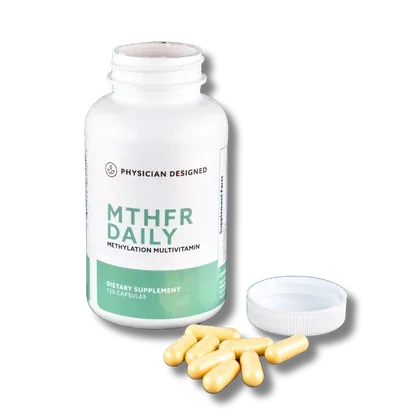
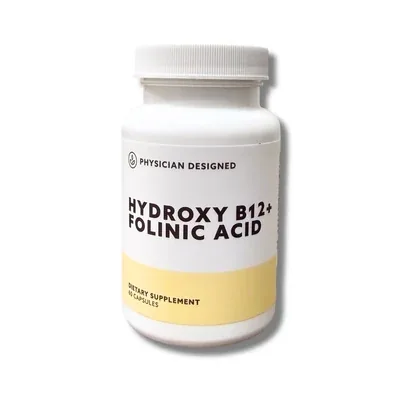
CAPSULES & LIQUID
Glutathione options
Choose between capsule and liquid forms with your clinician.
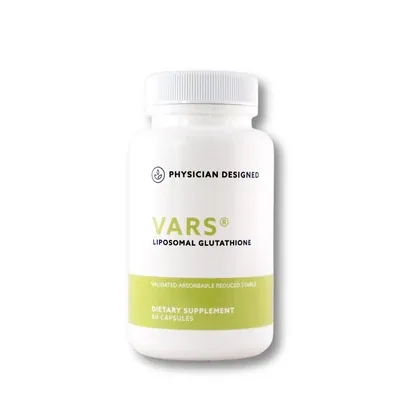

SUPPLEMENT OPTIONS
VARS SOD
Ask your clinician how this option fits your results and current medicines.
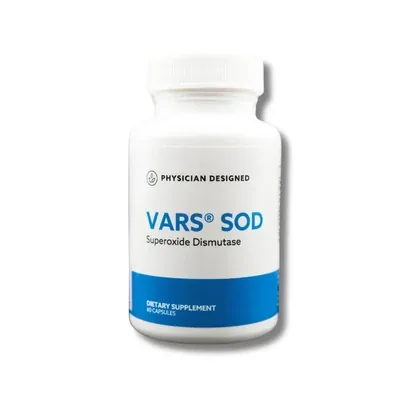
SUPPLEMENT OPTIONS
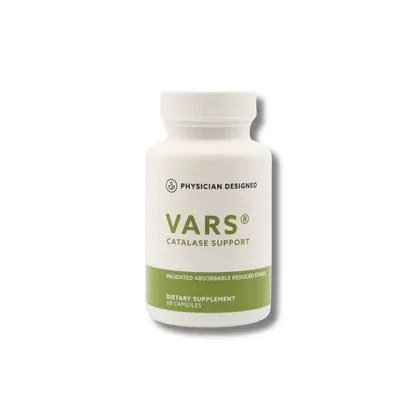
VARS Catalase Support
Ask your clinician how this option fits your results and current medicines.
Tell your care team which supplements and medicines you already take. Check the product page for current ingredients, prices, and availability.
