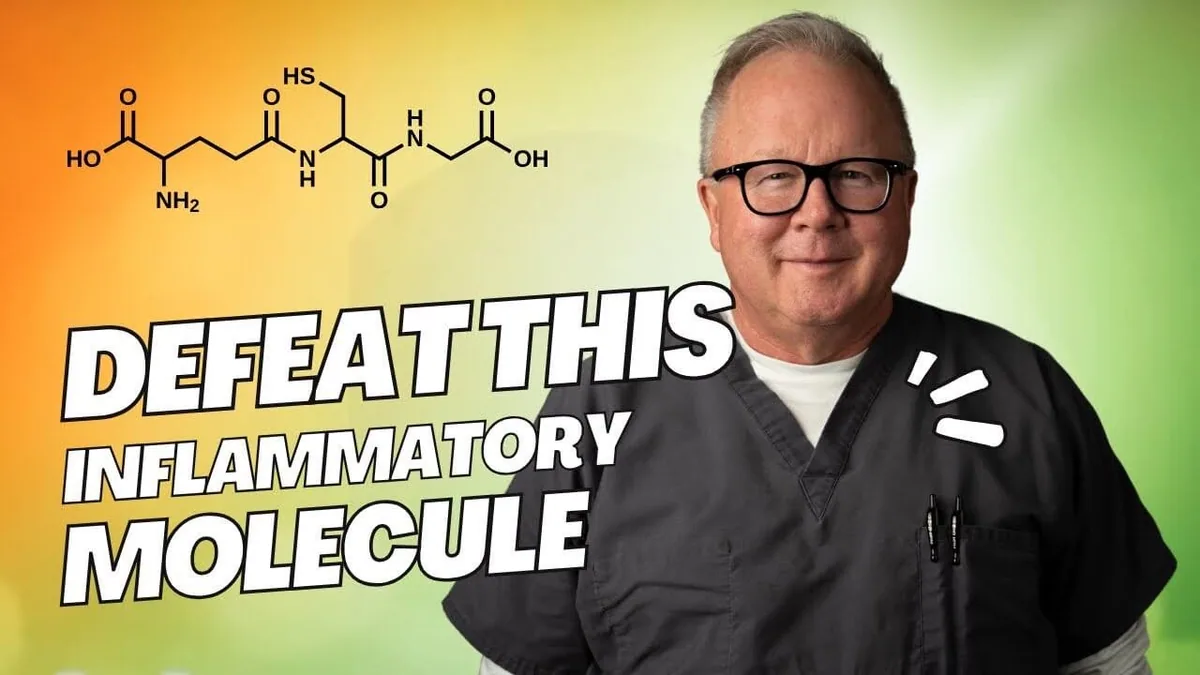
A product that removes wrinkles and fights inflammation? Let’s talk about beauty from within! SOD is your new beat friend, let’s learn all about it. PhysicianDesigned.com
Say goodbye to pain and inflammation with Serum X! 🎉 Discover the world's best topical pain relief gel, combining the power of lidocaine and superoxide dismutase. Experience fast relief and reclaim your life from pain. 💪
Jackson Larkin and Lois Schweigert explain the science, benefits, and real results of the VARS antioxidant protocol for inflammation, recovery, and long-term wellness.
Superoxide dismutase (SOD)—your body’s first line of defense against DNA-damaging free radicals. SOD neutralizes superoxide radicals at the source of cellular energy production. But as we age—or if we have genetic SNPs—our ability to make SOD drops. That’s why we created VARS SOD, with over 10,000 IU per dose (most products have less than 240 IU). It’s a game changer for anti-aging, DNA protection, and reducing inflammation at the root.
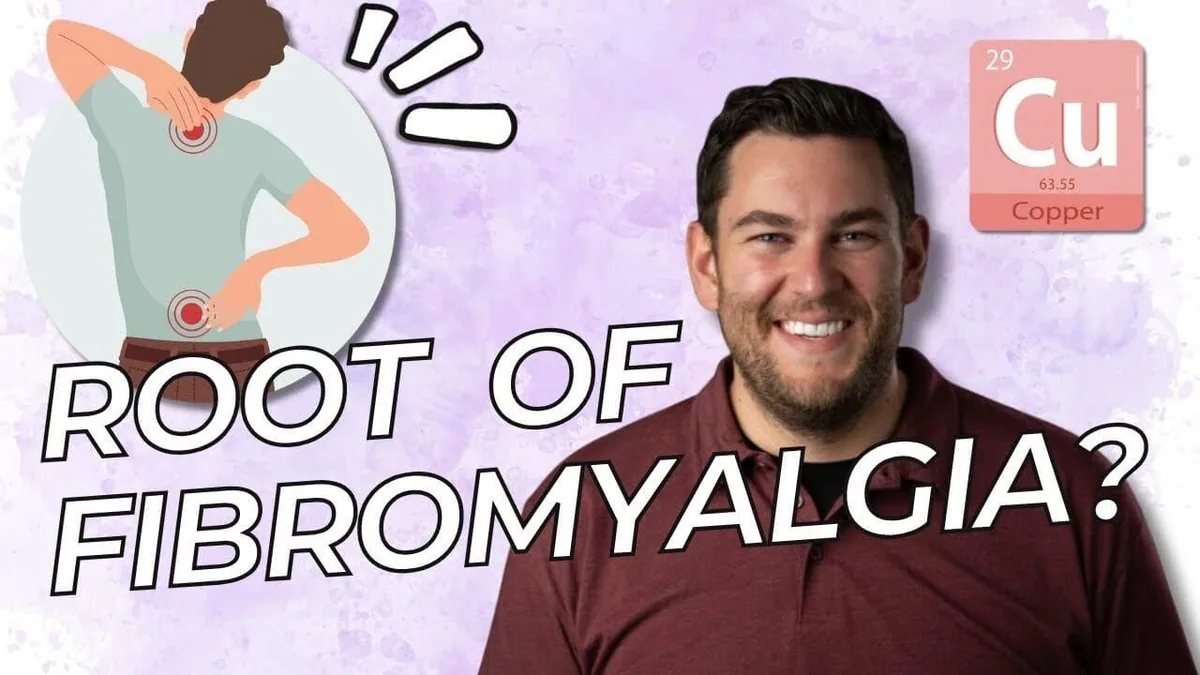
The real root of fibromyalgia? It’s not just pain — it’s copper. We’ve uncovered that fibromyalgia is often driven by genetic mutations (like CBS, GAD1, GAD2) that affect how your body handles copper. The copper builds up in your blood but never makes it into your cells — leading to widespread pain, inflammation, and migraines.
Superoxide Dismutase 3 (SOD 3), also known as extracellular SOD or ubiquitous SOD, plays a critical role in your body’s defense against inflammation and oxidative stress. Here’s why it matters: Stabilizes Mast Cells SOD 3 helps suppress mast cell activation, reducing the release of inflammatory mediators that contribute to conditions like skin inflammation, inflammatory bowel disease, and chronic pain. Reduces Pro-Inflammatory Cytokines By inhibiting cytokines like TNF-Alpha, SOD 3 can help soothe inflammation at its source. Supports Healthy Joints and Blood Vessels Whether you have joint disc
Homocysteine is bad for you, but it’s a critical part of the transsulfuration pathway. You don’t make glutathione wothout it, but when your levels of homocysteine get too high, it becomes majorly problematic for you.
High homocysteine levels can lead to inflammation, joint and muscle pain, and even shifting pain throughout the body. It’s also linked to birth defects and chronic kidney failure, and can raise blood pressure. Six genetic SNPs (like MTR, MTRR, and CBS) and MTHFR mutations (like C677T) can prevent homocysteine from converting into glutathione, which is essential for keeping inflammation in check. Plus, 12 vitamin deficiencies may temporarily raise homocysteine levels, so addressing these deficiencies is key.
Search looks for your words in titles, descriptions, available articles, learning guides, and video captions when available. The closest matches appear first. Duplicate posts are grouped, with links to other places you can read or watch them. Books, chapters, and reports have topic guides here; the original files and full book text are not available in this encyclopedia. Subscriber posts include a title and public summary; open Substack to read the full post.