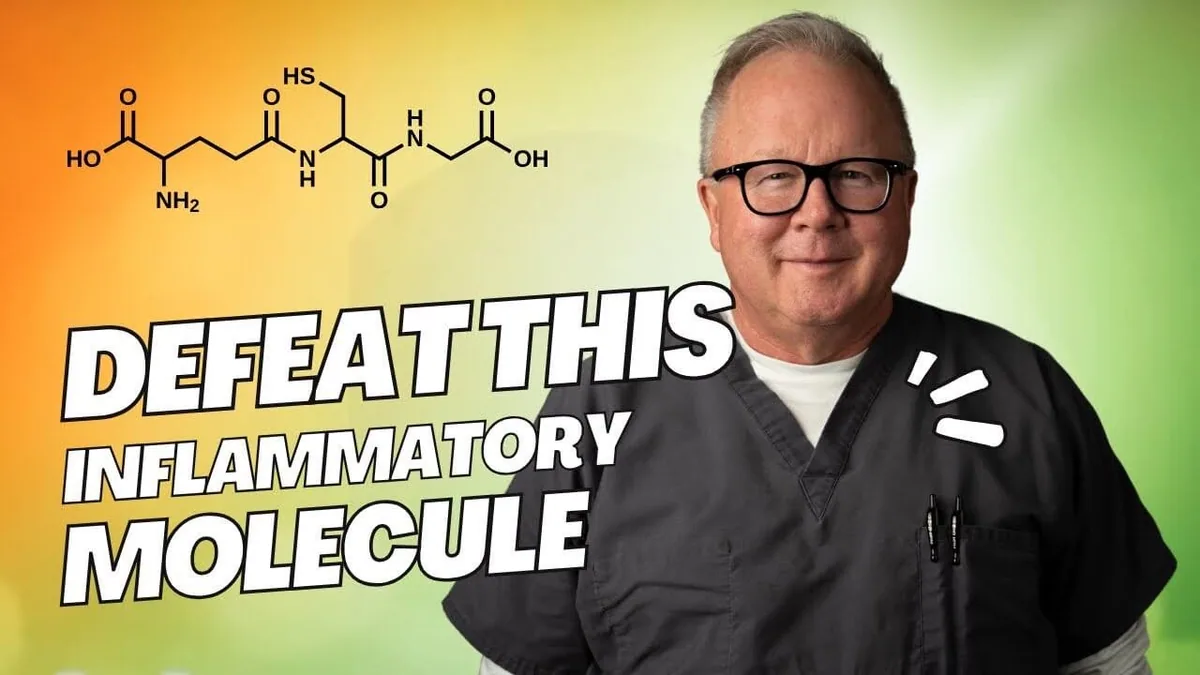
Homocysteine is nasty — but here’s the truth no one tells you. It doesn’t kill you directly — it triggers white blood cells to release IL-8 and MCP-1, causing inflammation, kidney failure, heart attacks, and strokes. Most doctors don’t even check it anymore, thinking there’s no fix. But there is. Whether from 17 genetic SNPs or 12 vitamin deficiencies (like B6 or B12), you can address it by supporting your body’s ability to convert homocysteine into glutathione.
Homocysteine is bad for you, but it’s a critical part of the transsulfuration pathway. You don’t make glutathione wothout it, but when your levels of homocysteine get too high, it becomes majorly problematic for you.
Most chronic inflammation, gut issues, and detox problems aren’t aging or bad luck — they’re methylation disorders your doctor probably ignores. MTHFR and homocysteine matter more than mainstream medicine admits, and the research is about t
CMA testing shows what nutrients are inside your cells, not just floating in your blood, giving a true picture of deficiencies. When combined with Redox, it also tracks inflammation markers and oxidative stress—giving a full view of your he
Ever looked at your genetic report and felt overwhelmed by all the “SNPs”? 🧬 These small DNA changes can impact how well your body produces energy, detoxifies, and handles inflammation.
Think of them like typos in your genetic recipe—some d
High homocysteine often shows up first as widespread inflammation—pain all over, poor circulation, or even early warning signs of cardiovascular problems like stroke and heart attack. The best way to know for sure is through testing: a bloo
Search looks for your words in titles, descriptions, available articles, learning guides, and video captions when available. The closest matches appear first. Duplicate posts are grouped, with links to other places you can read or watch them. Books, chapters, and reports have topic guides here; the original files and full book text are not available in this encyclopedia. Subscriber posts include a title and public summary; open Substack to read the full post.