THE TEACHING CONNECTION
Methyl-group use leaves another molecule behind
Methyl-group use leaves another molecule behind
The genetic-architecture chapter explains that S-adenosylmethionine (SAM) donates methyl groups and becomes S-adenosylhomocysteine (SAH). AHCY participates in the reversible reaction linking SAH with homocysteine and adenosine. This adds the SAM/SAH balance to Dr. Purser’s methylation map.
Putting the pieces together
AHCY connects to the balance of molecules involved in methylation, which is more than a question of folate intake. Rare inherited AHCY deficiency is different from most common variants. Seeing AHCY on a report does not prove that SAH is building up or that you have a rare disorder.
Where the VARS Triad and MTHFR Daily fit
If you are exploring homocysteine or cytokines, Dr. Purser may discuss MTHFR Daily and the VARS Triad: VARS Glutathione, VARS SOD, and VARS Catalase. He gives glutathione a central place in his approach to antioxidant support.
A gene result alone cannot tell you that you need these products or that they will treat a condition. Review your current results, medicines, goals, and tolerance with your clinician before choosing a product or dose.
A question to bring to your visit
Which exact variant is present, and are we discussing a common association or a clinically classified inherited disorder?
Reading your own results
Bring your original report, current results, health history, and medicines to your visit. This information can help you ask questions, but it cannot diagnose a condition or choose a supplement dose for you.
Variant lookup
These names can help you find an entry on your original genetic report. Seeing a name here does not tell you whether it affects your health or whether you need treatment.
Names you may see
Adenosylhomocysteinase
EXPLORE WITH YOUR CARE TEAM
Supplements to explore
Compare the products below, including their ingredients and available forms. Your care team can help you choose one or more options for your needs.
Explore supplements Dr. Purser discusses alongside inflammation and antioxidant support.
CAPSULES & LIQUID
Glutathione options
Dr. Purser discusses these supplements in relation to AHCY.
Some genetic results may make these options more relevant to you. Review your full genetic report with your clinician before choosing a supplement.
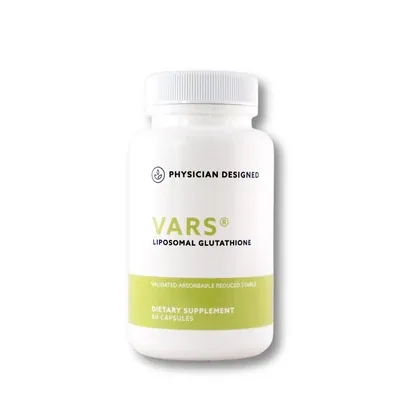
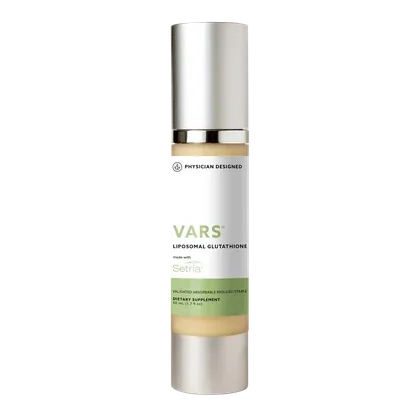
SUPPLEMENT OPTIONS
VARS SOD
Ask your clinician how this option fits your results and current medicines.
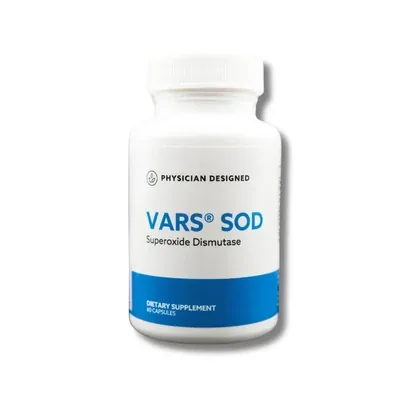
SUPPLEMENT OPTIONS
VARS Catalase Support
Ask your clinician how this option fits your results and current medicines.
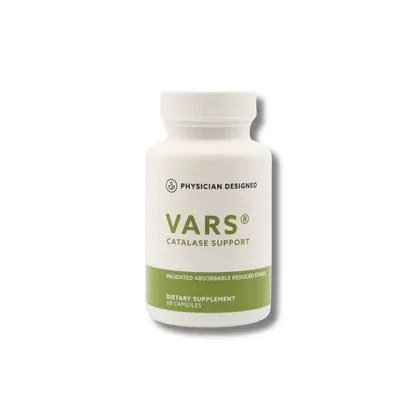
COMPARE YOUR OPTIONS
Methylation support
MTHFR Daily and Hydroxy B12 + Folinic Acid are alternatives. Your results can help your clinician choose between them.
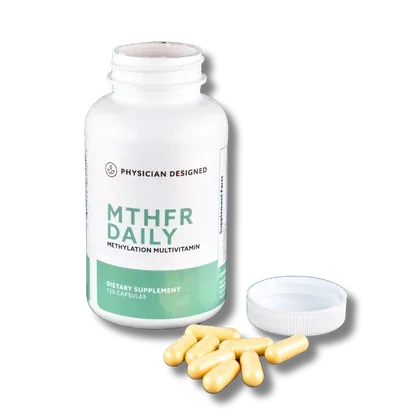
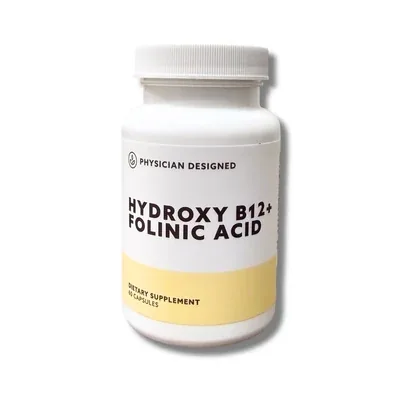
Tell your care team which supplements and medicines you already take. Check the product page for current ingredients, prices, and availability.
