THE TEACHING CONNECTION
Provides structure for bones and teeth and supports muscle and nerve signaling.
What it does
Provides structure for bones and teeth and supports muscle and nerve signaling.
Possible deficiency symptoms
Long-term low intake can affect bones without obvious symptoms. Low blood calcium has multiple causes and is not equivalent to low dietary intake.
How supplementation is approached
Start with dietary calcium, the reason for supplementation and the bone-health assessment. When calcium is part of Dr. Purser’s plan, his course separates its schedule from morning vitamin D and places calcium at bedtime. This is a clinic scheduling approach, not a claim that the two nutrients cannot be absorbed together.
Food sources
Milk; yogurt; calcium-set tofu; fortified plant drinks; canned fish with edible bones; kale.
Supplement forms
Calcium carbonate and calcium citrate.
What to track and reassess
Confirm the elemental calcium amount, other calcium-containing products and spacing from medicines such as thyroid replacement or certain antibiotics with the pharmacist.
From starting support to follow-up
If you and your clinician start a CMA replenishment plan, you may add one new product at a time, often waiting 3–7 days to see how you feel. A check-in is usually planned near ten weeks during an approximately 100-day period. Follow your written plan for amounts and timing. At follow-up, you may continue, change, or stop each item. This timetable does not automatically end longer-term support.
Names you may see
Calcium
EXPLORE WITH YOUR CARE TEAM
Supplements to explore
Compare the products below, including their ingredients and available forms. Your care team can help you choose one or more options for your needs.
SUPPLEMENT OPTIONS
Calcium supplement options
Compare supplement options related to Calcium.
Different products offer different forms and amounts. Compare the labels with your clinician to find what fits your needs.
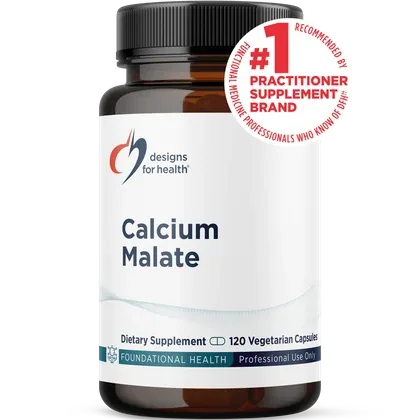
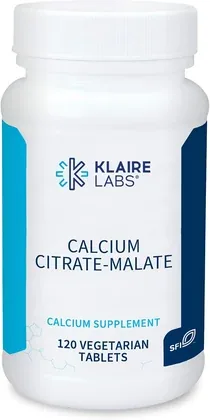
Tell your care team which supplements and medicines you already take. Check the product page for current ingredients, prices, and availability.