THE TEACHING CONNECTION
A nutrient level and a receptor gene answer different questions
A nutrient level and a receptor gene answer different questions
Dr. Purser places vitamin D in immune, hormone and bone-related teaching. The conversion-genetics chapter includes VDR, which concerns the vitamin D receptor. This is distinct from measuring a vitamin D blood level.
Putting the pieces together
Vitamin D comes in different forms and may already be in products you use. Review your intake and relevant blood results together. A VDR variant does not by itself prove a deficiency or set a dose.
How supplementation is approached
Dr. Purser’s plan reviews vitamin D as a fat-soluble nutrient and separates a VDR gene finding from the measured vitamin D level. His course schedules vitamin D with a fat-containing morning meal and calcium separately at bedtime. Check combined D/K and multivitamin products before adding more.
Food sources
Fatty fish; egg yolks; fortified milk or plant drinks; some UV-exposed mushrooms. Sun exposure is not a food source.
Supplement forms
D2 (ergocalciferol) and D3 (cholecalciferol). The usual blood-status marker is 25-hydroxyvitamin D.
A question to bring to your visit
What do my measured vitamin D and related clinical findings show, and am I duplicating fat-soluble vitamins?
What to track and reassess
Ask whether a 25-hydroxyvitamin D or calcium test is appropriate for you. A VDR variant alone is not a reason to begin high-dose vitamin D.
From starting support to follow-up
If you and your clinician start a CMA replenishment plan, you may add one new product at a time, often waiting 3–7 days to see how you feel. A check-in is usually planned near ten weeks during an approximately 100-day period. Follow your written plan for amounts and timing. At follow-up, you may continue, change, or stop each item. This timetable does not automatically end longer-term support.
Names you may see
Vitamin D
EXPLORE WITH YOUR CARE TEAM
Supplements to explore
Compare the products below, including their ingredients and available forms. Your care team can help you choose one or more options for your needs.
SUPPLEMENT OPTIONS
Vitamin D Supreme
Compare supplement options related to Vitamin D.
Different products offer different forms and amounts. Compare the labels with your clinician to find what fits your needs.
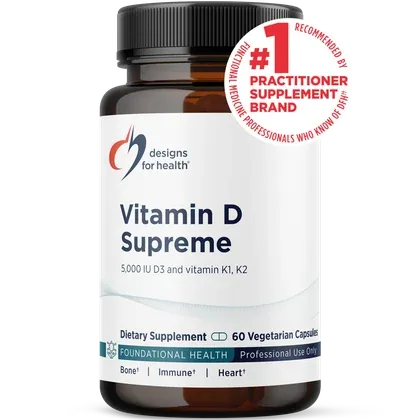
Tell your care team which supplements and medicines you already take. Check the product page for current ingredients, prices, and availability.