CAPSULES & LIQUID
Glutathione options
Learn more about this supplement.
Compare the ingredients and available forms with your care team.
Your genetic results might list “wild type,” “heterozygous,” or “homozygous,” but what does that mean? Wild type means both copies of your gene are normal, heterozygous means one is normal and one has a change, and homozygous means both copies have the same change. With genes like MTHFR, these variations can affect how efficiently your body processes nutrients like folate—sometimes cutting function by 40–70%—which is why targeted nutrition and testing matter.
YouTube captions · May contain errors · Added Sep 23, 2026
Captions can mishear medical terms, names, and doses. Check the recording for context. Each timestamp opens that moment on YouTube.
12 timestamped passages
Hey, you just got your genetic results back and seeing stuff like wild type, hetererozygous, and homozygous for your MTHFR gene. We're getting real scientific here, aren't we? [music] Don't worry, I'm going to break it down for you. So, your MTHFR gene helps your body process folate, [music] a B vitamin that's super important for things like
making DNA, energy, and keeping your heart healthy. You've got two copies of this gene, one from your mom and one from your dad. The terms in your results in your genetic [music] results like wild type, hetererozygous or homozygous just tell you how those two copies are
set up. Especially when talking about mutations that have been passed [music] down called SNIPS like C677T and A1298C. Let's make it simple. First, [music] wild type or WT on your results. This means both your MTHFR gene copies are
the standard version most people have. It's like getting two regular cups of coffee. Nothing's changed. Your genes are doing its job converting folate into its active form. Basically, no [music] problem. Now, hetererozygous shows a plus and a minus. This means you've got
one normal MTHFR gene and one with a change like C677T or A1298C. It's like ordering one regular copy and one with a twist like get in decaf. For example, if you are hetererozygous for C677, your gene might work about 35 to
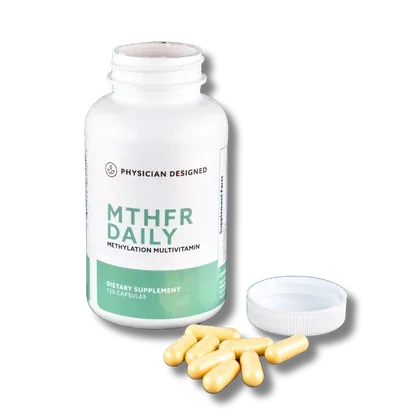
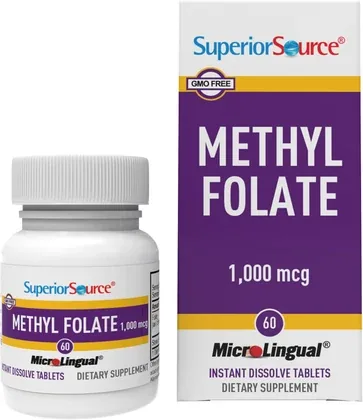
40% less efficiently. Usually, it could mean that you do need more folate from foods in your diet or with a nice supplement like MTHFR daily or other methylation support [music] product. Then there's homozygous, which is plus+ or minus minus. This means both your
MTHFR genes are the same, [music] either both normal or both with the same change, like two copies of the [music] C677T or A1298C. If it's the changed version, it's like doubling up on that decaf copy. For C677T, both copies being changed can cut
[music] your gene's efficiency by up to 70%. Which definitely leads to high homoyine [music] levels. A1298C homozygous is less intense, maybe a 40 to 50% drop, but still [music] definitely worth paying attention to. So, quick recap. [music] Wild type is
both of your genes as usual. Everything's working as it should. Hetererozygous is one normal gene and one changed. And then homozygous is both changed, which can make a big difference, especially with MTHFR, like you needing more folate or B12 or
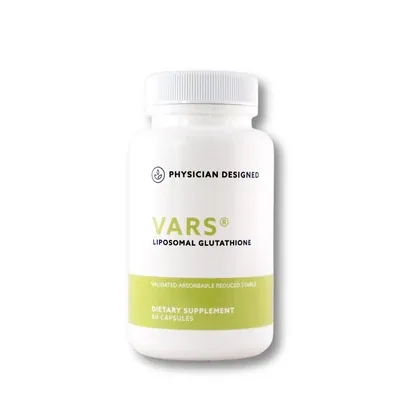
glutathione to help things run smoothly. Your genetic results are a sneak peek into how your body [music] deals with all these different minerals, vitamins, and amino acids. How the enzymes in your body actually function. Knowing if you're wild type, hetererozygous or
homozygous for snips like MTHFR [music] or others can help you tweak your diet by eating the correct foods or working with our team to get you on the right supplements that you need. It's all about working [music] with your unique setup. Pretty cool, huh? If you have any
questions about your genetic testing, [music] your results, or what you need to do nutritionally to get going, reach out to our office. We are so happy to help.
EXPLORE WITH YOUR CARE TEAM
Compare the products below, including their ingredients and available forms. Your care team can help you choose one or more options for your needs.
Compare supplement options related to Vitamin B9.
CAPSULES & LIQUID
Learn more about this supplement.
Compare the ingredients and available forms with your care team.
COMPARE YOUR OPTIONS
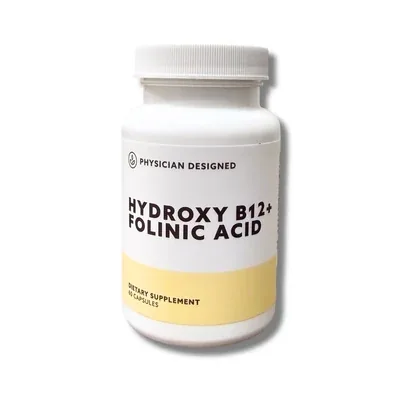
MTHFR Daily and Hydroxy B12 + Folinic Acid are alternatives. Your folate, vitamin B12, and genetic results can help your clinician choose between them.
SUPPLEMENT OPTIONS
Different products offer different forms and amounts. Compare the labels with your clinician to find what fits your needs.
SUPPLEMENT OPTIONS
Different products offer different forms and amounts. Compare the labels with your clinician to find what fits your needs.
Tell your care team which supplements and medicines you already take. Check the product page for current ingredients, prices, and availability.
Also in Genetic testing, one term at a time
Genetic SNPs are tiny changes in your DNA that can drastically affect how well your enzymes and proteins work. For example, being homozygous for MTHFR C677T leaves that enzyme functioning at only about 30% efficiency, which can drain your energy and impair folate processing. Similarly, errors in SOD genes reduce your body’s ability to neutralize free radicals. While we can’t change your genes, we can work around them by identifying these weaknesses and filling the gaps with targeted nutrition and supplementation—helping your body function closer to its full potential.
Searchable captionsAlso in Genetic testing, one term at a time
Not all genetic tests are created equal. Many only scratch the surface, while the best panels look at hundreds of SNPs that impact methylation, detox, hormones, and nutrient absorption. For real results, you need a test that’s private, comprehensive, and clinically useful—like the ones we recommend in practice that help guide targeted treatment plans.
Searchable captionsAlso in Genetic testing, one term at a time
The new DRP Genetics test, designed by Dr. Purser in collaboration with MaxGen, makes genetic testing simple and precise. Each kit comes pre-filled with everything you need—just swab your cheek, place it in the vial, and send it back the same day using the prepaid mailer. This curated panel focuses on key SNPs Dr. Purser selected after years of research, giving patients clearer answers and actionable insights into their health.
Searchable captionsA term in this discussion
Makes an enzyme that helps produce a form of folate used in the processing of homocysteine. Common variants are different from rare variants that cause severe MTHFR deficiency.