High homocysteine often shows up first as widespread inflammation—pain all over, poor circulation, or even early warning signs of cardiovascular problems like stroke and heart attack. The best way to know for sure is through testing: a blood test can measure homocysteine directly, while a CMA with Redox uncovers the vitamin deficiencies driving it. For genetic causes, the DRP Genetics panel screens 15–16 of the 17 known SNPs that can cause permanently high homocysteine. If your levels are fixed by genetics, reduced glutathione and targeted B vitamins (like MTHFR Daily) are key to balancing the cytokines and deficiencies that come with it.
How do you know if you have homocyine issues? Well, for a lot of people, the first thing will be is that they feel inflammation that they hurt all over. And this can even potentially lead to cardiovascular issues such as stroke and heart attack because inflammation builds up within your capillaries and within
this the veins throughout your body building up and causing everything to just slow down, your whole blood flow to slow down. uh and this can be very very problematic and you eventually have a clot and something goes and it's very bad. You don't want this to happen and so those early signs of inflammation
could be could be a sign of high homoyine. Now whether you have a fixed homocyine rate or just high in high homocyine based on vitamin deficiencies, there's a lot that you can do to figure out why you have it and if you have it.
So getting a blood test is your easiest way to test for homocyine. There you can actually look at homoyine levels in your blood. Our CMA the cellular micronutrient assay the intracellular test that we do. We can also do the add-on of homoyine testing which is very very helpful. So that gives you a full
picture of what vitamin deficiencies you have looking specifically at those B vitamins and other ones that potentially can cause high homoyine levels as well as look at your homoyine level. How great you can get it all in one go. Now the other test you can do is uh a
genetic test like our DRP genetics. This test is extremely beneficial for those that potentially have the homoyine gene snips as ours tests 15 or 16 out of the 17 known homocyine snips. That is the
genetic errors that are passed down that you potentially carry that cause high homocyine. Now this is what Dr. Perer talks about with the the fixed high homocyine level. If you have gene snips, if you have several of these gene snips that are homozygous, you will always
have high homoyine. And that it's just fixed. It is fixed by your genetics. That's what you have. But you can work with it. You can work around it. And that's with high doses of reduced glutathione to help balance out that high homocyine specifically balance out
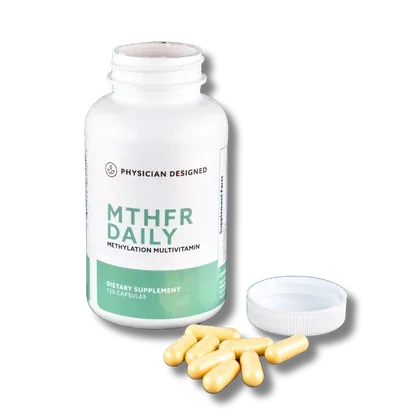
the cytoines stimulated and that are produced because of that high homoyine as well as covering all of your methylation bases. Those are really your main options. So our MTHFR daily is a fantastic product that covers most if
not all of those deficiencies that potentially cause a high homoyine level. Remember, your gene snips cause intracellular micronutrient deficiencies. That's vitamins, minerals, amino acids, and antioxidants. Your gene snips cause these deficiencies.
Hopefully, you can get a lot of those nutrients in your diet, but you will never be able to get everything you need because your genes are not capable of breaking them down and receiving them in your body. So you have to supplement with the right forms like methylated B vitamins like we talked about with truly reduced glutathione with the right
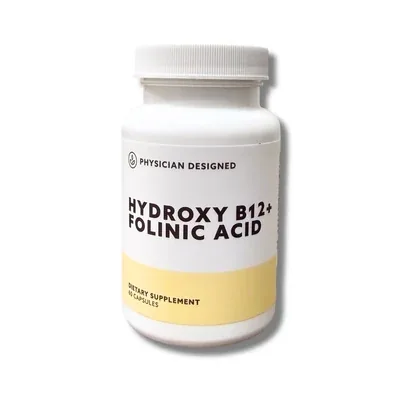
versions of B12 specifically if you have certain genes with comet tea and other things you need adenosil or hydroxycobalamin and not methylated cobbalamin specifically not cyanocobalamin so based on your genes we can prepare an accurate personalized guide for what you
need and so if homoyine is one of your major problems which we are seeing in more more and more of our patients, most things tend to come back to high homoysteine, MTHFR error, EMTT errors. Um, and those are some of the things that we can treat very readily and very
easily with supplementation of those correct forms of vitamins. Get the testing done. It's your first step to really get get going. And if you already have had your genetic test, great. And if you've already gotten a CMA, maybe it's time to look again. Our vitamin levels, intracellular vitamin levels
change every 90 to 100 days just based on the cycles of life. And so we recommend getting tested again once or twice a year and truly optimize those deficiencies that you're dealing with. So if you have any questions, please reach out to us. We are so happy to work with you, so happy to to answer and and
Compare the products below, including their ingredients and available forms. Your care team can help you choose one or more options for your needs.
COMPARE YOUR OPTIONS
Methylation support
Dr. Purser discusses these supplements in relation to MTHFR.
MTHFR Daily and Hydroxy B12 + Folinic Acid are alternatives. Your folate, vitamin B12, and genetic results can help your clinician choose between them.
Most people have never heard of homocysteine , yet this small molecule may hold the key to understanding inflammation, cardiovascular disease, neurological problems, and many chronic conditions. For decades, homocysteine was viewed as a toxic substance in the blood. Doctors were taught that lowering it with B-vitamins might reduce heart disease risk. But research results were inconsistent, leaving many physicians unsure whether homocysteine truly mattered. New research and clinical observations are changing that view. We introduce a new framework called the Purser Model , which explains why ho
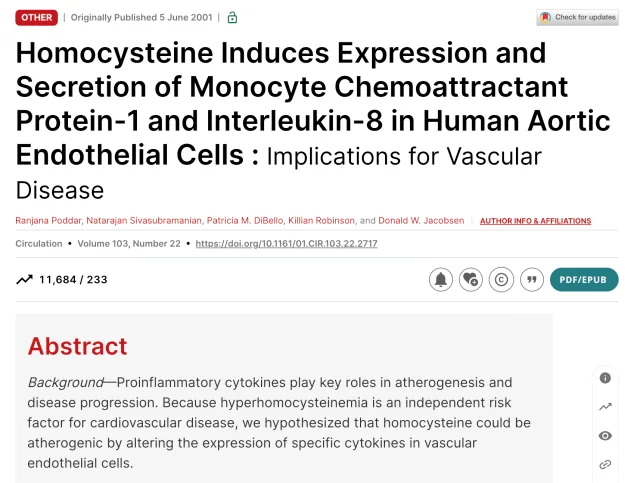
High homocysteine signals a broken transsulfuration pathway, leaving you unable to detox or convert it into glutathione. This shows up in conditions like PCOS and fibromyalgia, where patients often struggle with inflammation, pain, and even infertility. Genetics play a big role—there are 17 SNPs that can lock homocysteine in place—but vitamin deficiencies can make it worse. The real breakthrough isn’t lowering homocysteine itself but calming the cytokines it triggers, like IL-8 and MCP-1. That’s why VARS Glutathione, the only patented oral form proven to work, is so powerful—it lowers those cy
Does a normal homocysteine level imply that you don't need to treat MTHFR? Find out in this video! Contact us at (801) 796-7667 or info@danpursermd.com for help. Check back often for the newest updates!