THE TEACHING CONNECTION
Catecholamines and sensitivity
Catecholamines and sensitivity
COMT helps process some chemical messengers, including dopamine and other catecholamines. Sleep, stress and how you feel after a supplement may add context; the gene alone cannot predict your behavior or mood.
Putting the pieces together
When you review a COMT result, your clinician may also look at B vitamins, magnesium, inositol, amino acids, fatty acids, and antioxidant findings. The gene result does not measure brain chemicals or replace mental health care.
Where the VARS Triad and MTHFR Daily fit
If you are exploring homocysteine or cytokines, Dr. Purser may discuss MTHFR Daily and the VARS Triad: VARS Glutathione, VARS SOD, and VARS Catalase. He gives glutathione a central place in his approach to antioxidant support.
A gene result alone cannot tell you that you need these products or that they will treat a condition. Review your current results, medicines, goals, and tolerance with your clinician before choosing a product or dose.
A question to bring to your visit
What changed after each product, caffeine change or medication change, and which current findings support the proposed explanation?
Reading your own results
Bring your original report, current results, health history, and medicines to your visit. This information can help you ask questions, but it cannot diagnose a condition or choose a supplement dose for you.
Variant lookup
These names can help you find an entry on your original genetic report. Seeing a name here does not tell you whether it affects your health or whether you need treatment.
Names you may see
Catechol-O-Methyltransferase
EXPLORE WITH YOUR CARE TEAM
Supplements to explore
Compare the products below, including their ingredients and available forms. Your care team can help you choose one or more options for your needs.
Explore supplements Dr. Purser discusses alongside inflammation and antioxidant support.
COMPARE YOUR OPTIONS
Methylation support
Dr. Purser discusses these supplements in relation to COMT.
MTHFR Daily and Hydroxy B12 + Folinic Acid are alternatives. Your folate, vitamin B12, and genetic results can help your clinician choose between them.
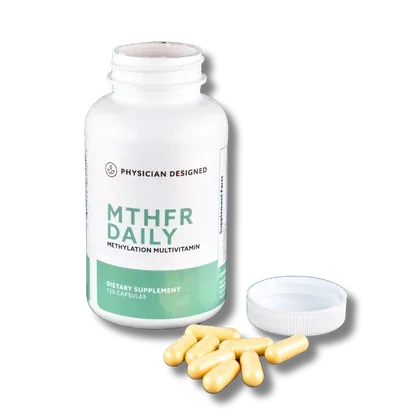
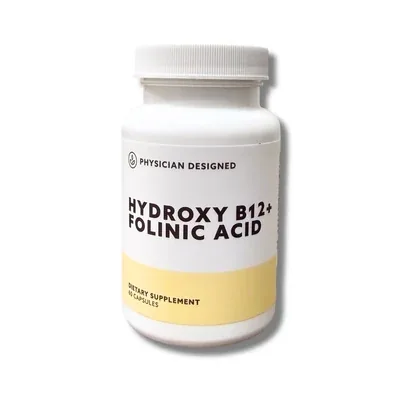
CAPSULES & LIQUID
Glutathione options
Choose between capsule and liquid forms with your clinician.
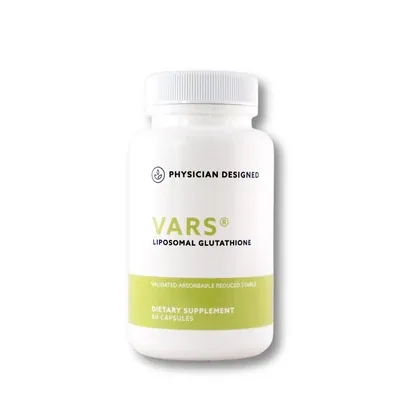

SUPPLEMENT OPTIONS
VARS SOD
Ask your clinician how this option fits your results and current medicines.
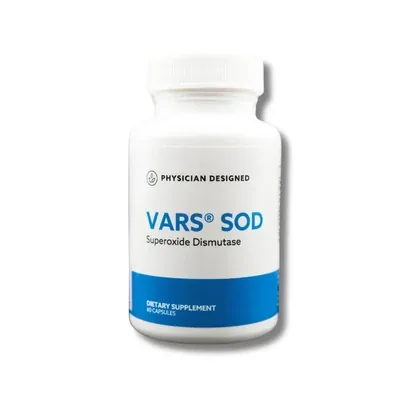
SUPPLEMENT OPTIONS
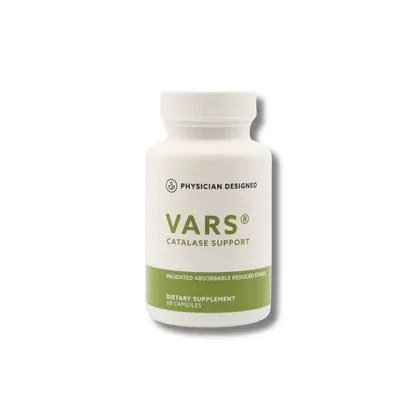
VARS Catalase Support
Ask your clinician how this option fits your results and current medicines.
Tell your care team which supplements and medicines you already take. Check the product page for current ingredients, prices, and availability.