THE TEACHING CONNECTION
One nutrient, more than one teaching context
One nutrient, more than one teaching context
Inositol comes up in discussions of nervous-system support alongside magnesium, amino acids, and omega fats. It may also come up when reviewing blood sugar, chromium, zinc, and B vitamins. Which connection matters depends on your actual results and goals.
Putting the pieces together
This is a useful example of why Dr. Purser prioritizes a pattern instead of assigning one nutrient to one symptom. Mood/sleep questions and blood-sugar questions may overlap, but they are not the same diagnosis or treatment plan. Current findings and tolerance guide the discussion.
How supplementation is approached
Dr. Purser discusses inositol in metabolic and nervous-system support. Identify whether the product contains myo-inositol, D-chiro-inositol or a blend, because the names do not represent one universal formula. Connect the choice with the actual glucose, nutrient and symptom pattern.
What symptoms can—and cannot—tell you
There is no established dietary deficiency syndrome for this specific botanical or compound. Symptoms are not evidence that you need this supplement.
Food sources
Beans, whole grains, nuts and fruit; the body also makes inositol.
Supplement forms
Myo-inositol, D-chiro-inositol and combination formulas. The ratio and amount differ between products.
A question to bring to your visit
Is inositol being considered for a measured nutrient finding, a nervous-system pattern or a metabolic question?
What to track and reassess
Track the goal separately—such as steady energy or tolerance during a nervous-system plan—and document sleep or activation changes after starting. Coordinate psychiatric and glucose-lowering medicines with their prescribers.
From starting support to follow-up
If you and your clinician start a CMA replenishment plan, you may add one new product at a time, often waiting 3–7 days to see how you feel. A check-in is usually planned near ten weeks during an approximately 100-day period. Follow your written plan for amounts and timing. At follow-up, you may continue, change, or stop each item. This timetable does not automatically end longer-term support.
Names you may see
Inositol
EXPLORE WITH YOUR CARE TEAM
Supplements to explore
Compare the products below, including their ingredients and available forms. Your care team can help you choose one or more options for your needs.
SUPPLEMENT OPTIONS
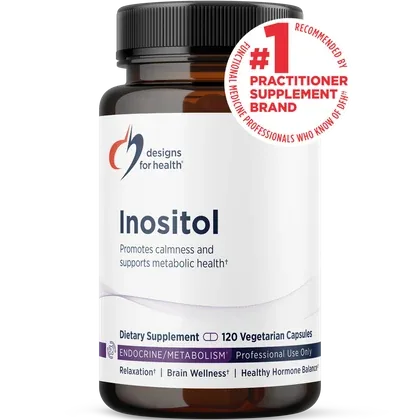
Inositol
Compare supplement options related to Inositol.
Different products offer different forms and amounts. Compare the labels with your clinician to find what fits your needs.
SUPPLEMENT OPTIONS
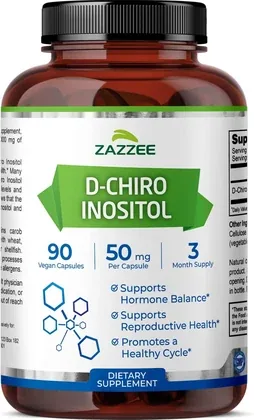
D-Chiro-Inositol
Compare supplement options related to Inositol.
Different products offer different forms and amounts. Compare the labels with your clinician to find what fits your needs.
Tell your care team which supplements and medicines you already take. Check the product page for current ingredients, prices, and availability.