THE TEACHING CONNECTION
More than a methylation nutrient
More than a methylation nutrient
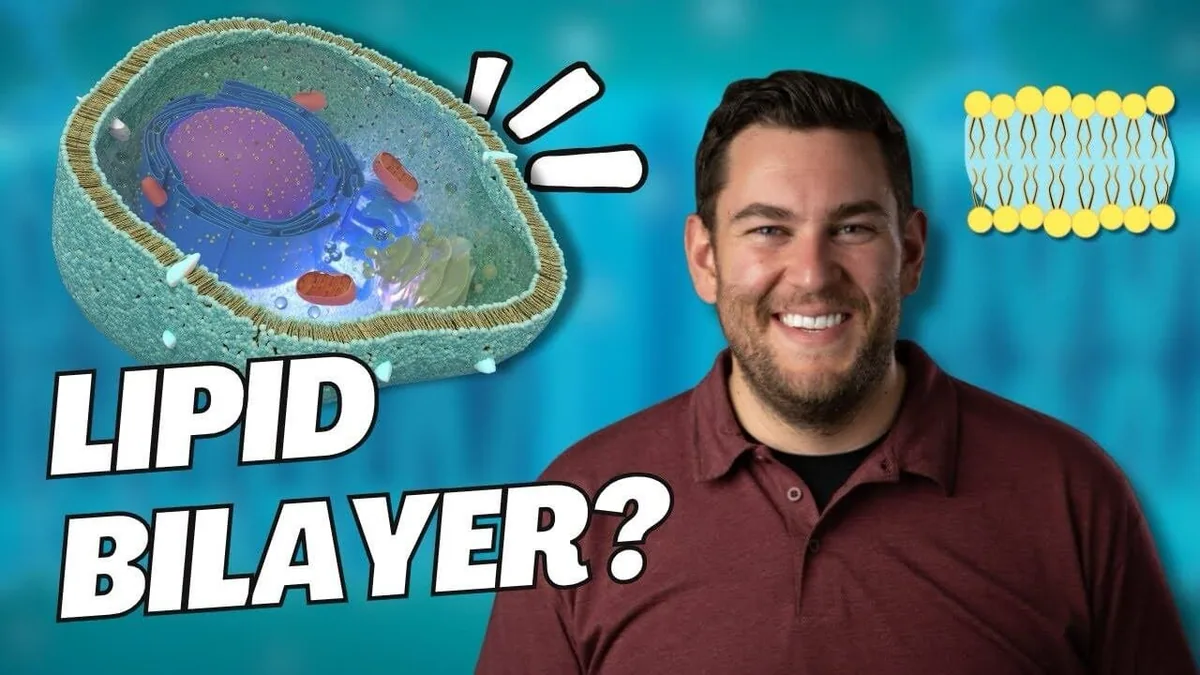
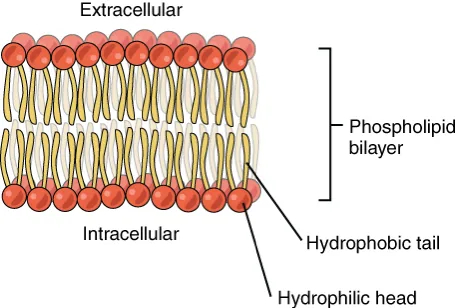
Dr. Purser connects choline with phosphatidylcholine, membranes, liver fat handling, bile and brain function. PEMT is a major teaching link because it contributes to phosphatidylcholine synthesis; CHDH connects choline to a different route toward betaine.
Putting the pieces together
The combined review asks about gallbladder history, tolerance of fatty meals, stool changes and current nutrient findings. Choline, phosphatidylcholine and phosphatidylserine should not be treated as the same ingredient. The product form and the purpose of the plan matter.
How supplementation is approached
Dr. Purser distinguishes choline, phosphatidylcholine and phosphatidylserine because their roles and formulations differ. Review PEMT-related teaching, liver and gallbladder history, digestion and current membrane-support products before choosing the form. Phosphatidylcholine is a prominent part of his membrane and bile-support approach.
Food sources
Eggs; liver; fish; soybeans; poultry; beans.
Supplement forms
Choline bitartrate and phosphatidylcholine are examples.
A question to bring to your visit
Is the plan addressing food intake, phosphatidylcholine/membrane support or another choline-related pathway?
What to track and reassess
Track digestive tolerance, stool changes and the reason the product was selected. Persistent pain, jaundice or other significant digestive changes require assessment rather than increasing the supplement.
From starting support to follow-up
If you and your clinician start a CMA replenishment plan, you may add one new product at a time, often waiting 3–7 days to see how you feel. A check-in is usually planned near ten weeks during an approximately 100-day period. Follow your written plan for amounts and timing. At follow-up, you may continue, change, or stop each item. This timetable does not automatically end longer-term support.
Names you may see
Choline
EXPLORE WITH YOUR CARE TEAM
Supplements to explore
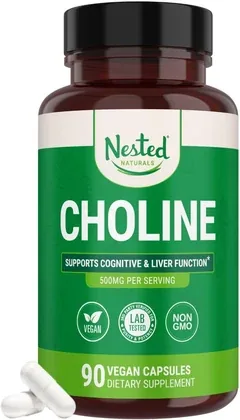
Compare the products below, including their ingredients and available forms. Your care team can help you choose one or more options for your needs.
SUPPLEMENT OPTIONS
Choline supplement options
Compare supplement options related to Choline.
Different products offer different forms and amounts. Compare the labels with your clinician to find what fits your needs.
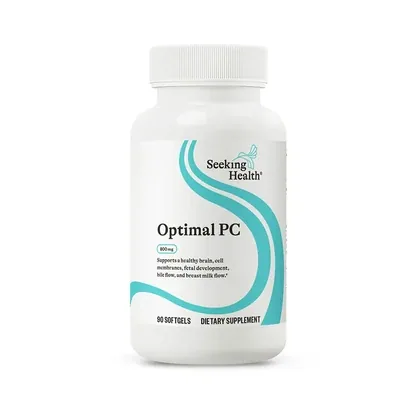
Tell your care team which supplements and medicines you already take. Check the product page for current ingredients, prices, and availability.