Transsulfuration: from homocysteine to glutathione
See how homocysteine connects to cysteine and glutathione. Follow seven simple steps, explore the side routes, and tap a word or building block to learn more.
Start with the full picture. Choose a gene, nutrient or molecule to take a closer look, or follow the guided story toward glutathione.
THE WHOLE PICTURE
Explore the full chart.
Tap any name to explore its gene, nutrient or molecule. The green route follows glutathione building.
Interactive map
Genes & enzymesNutrientsMolecules
100%
Swipe sideways to look around. Scroll down to follow the chart.
About the names on this map
Some diagrams use different names for the same enzymes: MS is MTR, SAHH is AHCY, CSE is CTH, and GR is GSR. This map uses the names you’ll find in the lessons below. The taurine branch shows FMO1 at the hypotaurine step.
Arrows show connections between reactions. Nutrient helpers are shown beside the steps they support. Extra byproducts and several intermediate steps are left out to keep the overview readable.
Explore this map to learn the reactions. It cannot show your own pathway speed, diagnose a gene result, or choose a supplement dose.
STEP 1 OF 7 · Methionine cycle
Start with methionine
Your body uses methionine to help pass small chemical groups from one molecule to another.
What happens here?
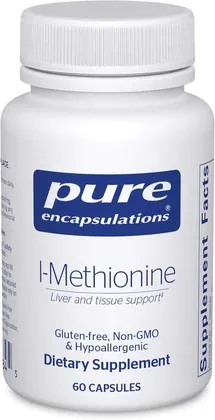
Methionine is an amino acid, one of the building blocks found in protein. Your body gets it from food.
Using energy, cells turn methionine into SAM. SAM carries a methyl group and gives it to other molecules. This transfer is called methylation.
After that transfer, SAM becomes SAH. Another step connects SAH to homocysteine. Several reactions are shown together here. This is the lead-in to transsulfuration.
Why it matters
This cycle leads to homocysteine. It helps explain how methylation connects to the sulfur pathway.
Go a little deeper: the chemistry
Methionine is converted to SAM. After donating a methyl group, SAM becomes SAH; AHCY participates in the reversible reaction connecting SAH with homocysteine and adenosine. This is upstream context for transsulfuration, not the transsulfuration pathway itself.
A question to bring to your visit
How does this cycle connect with my homocysteine blood test?
This formula brings several nutrients together in one supplement.
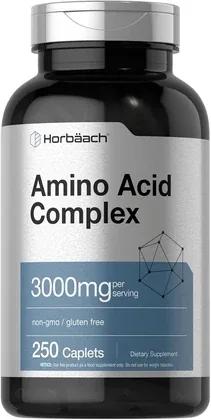
An amino acid complex may be considered when your test shows a need for at least four different amino acids. Cysteine, taurine, and tryptophan are considered separately.
This is an educational chart, not a reading of your genes or blood tests. A clinician can help interpret your own results.
THE TEACHING CONNECTION
Follow sulfur from homocysteine toward cysteine, then see how cysteine contributes to glutathione.
Two directions from homocysteine
Homocysteine has two main routes. It can be turned back into methionine, or its sulfur can move toward cysteine. The recycling route is called remethylation. The route toward cysteine is called transsulfuration.
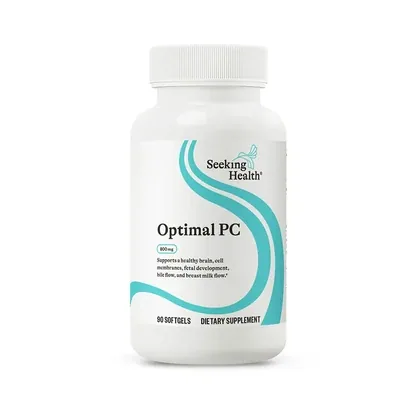
Folate and B12 help with one recycling route. Betaine, which can come from choline, helps with another. CBS and CTH carry out the two core steps toward cysteine. These nutrients and enzymes work together, but they do different jobs.
How Dr. Purser connects the pathway
Dr. Purser connects this pathway to his teaching on homocysteine, genes and antioxidant support. He looks at gene findings alongside blood tests, nutrient results, symptoms, medicines and how a person responds.
There are several questions to consider: Is cysteine available? Can the cells make glutathione? How is it used and recycled? One test does not answer all of these questions.
Where the VARS Triad and MTHFR Daily fit
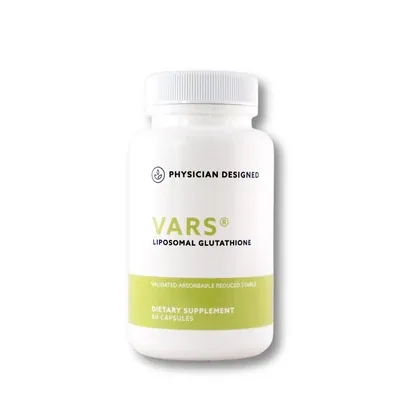
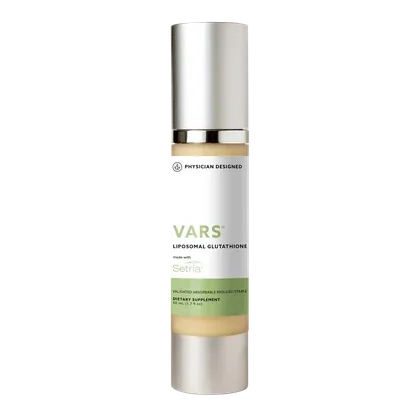
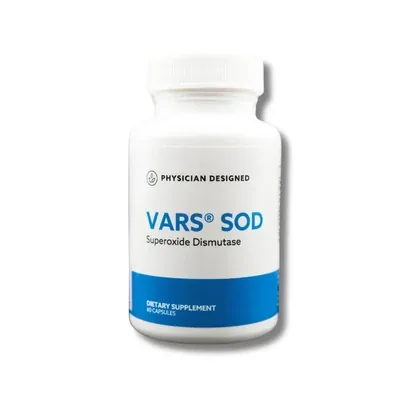
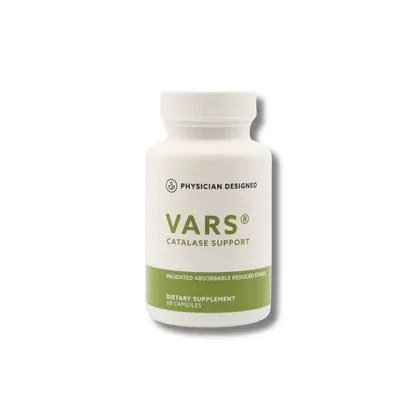
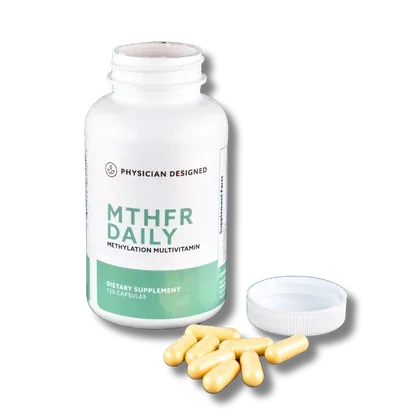
If you are exploring homocysteine or cytokines, Dr. Purser may discuss MTHFR Daily and the VARS Triad: VARS Glutathione, VARS SOD, and VARS Catalase. He gives glutathione a central place in his approach to antioxidant support.
A gene result alone cannot tell you that you need these products or that they will treat a condition. Review your current results, medicines, goals, and tolerance with your clinician before choosing a product or dose.
Reading the map alongside your results
A common SNP is a change at one spot in DNA. Finding one does not prove an enzyme is blocked, missing or working too fast. This map cannot measure your pathway or choose a dose.
Use the lessons to learn the terms. Then bring your original results and questions to your clinician. A lab result, an approved protocol and your final care plan are three different things.