THE TEACHING CONNECTION
The peroxide-handling step
The peroxide-handling step
In Dr. Purser’s antioxidant teaching, catalase helps break hydrogen peroxide down into water and oxygen. It is discussed after SOD because converting superoxide is only one part of the redox story; the resulting peroxide also has to be handled.
Putting the pieces together
Catalase, glutathione and SOD are discussed together in the VARS Triad. They have different jobs in the body. Homocysteine or immune-signal questions may bring these pathways into your visit, but a pathway connection does not show that you need all three products.
Where the VARS Triad and MTHFR Daily fit
If you are exploring homocysteine or cytokines, Dr. Purser may discuss MTHFR Daily and the VARS Triad: VARS Glutathione, VARS SOD, and VARS Catalase. He gives glutathione a central place in his approach to antioxidant support.
A gene result alone cannot tell you that you need these products or that they will treat a condition. Review your current results, medicines, goals, and tolerance with your clinician before choosing a product or dose.
How supplementation is approached
Dr. Purser uses VARS Catalase within the VARS Triad alongside VARS SOD and VARS Glutathione. The teaching emphasizes coordinated handling of superoxide and peroxide rather than relying on one antioxidant alone. Introduce the individualized plan gradually and keep the formulation and sequence clear.
What symptoms can—and cannot—tell you
There is no established dietary deficiency syndrome for this specific botanical or compound. Symptoms are not evidence that you need this supplement.
Food sources
The body makes catalase. Enzyme-containing foods have not been shown to replace intracellular catalase.
Supplement forms
Enzyme-containing products are marketed as supplements. Naturally occurring enzyme types do not establish that an oral product reaches a particular tissue.
A question to bring to your visit
How does the current redox assessment distinguish the different antioxidant systems?
What to track and reassess
Record changes in tolerance, energy and recovery after each addition. New symptoms should be reviewed as possible reactions rather than automatically labeled detox.
From starting support to follow-up
If you and your clinician start a CMA replenishment plan, you may add one new product at a time, often waiting 3–7 days to see how you feel. A check-in is usually planned near ten weeks during an approximately 100-day period. Follow your written plan for amounts and timing. At follow-up, you may continue, change, or stop each item. This timetable does not automatically end longer-term support.
Names you may see
Catalase
EXPLORE WITH YOUR CARE TEAM
Supplements to explore
Compare the products below, including their ingredients and available forms. Your care team can help you choose one or more options for your needs.
Explore supplements Dr. Purser discusses alongside inflammation and antioxidant support.
SUPPLEMENT OPTIONS
VARS Catalase Support
Compare supplement options related to Catalase.
Different products offer different forms and amounts. Compare the labels with your clinician to find what fits your needs.

CAPSULES & LIQUID
Glutathione options
Choose between capsule and liquid forms with your clinician.


SUPPLEMENT OPTIONS
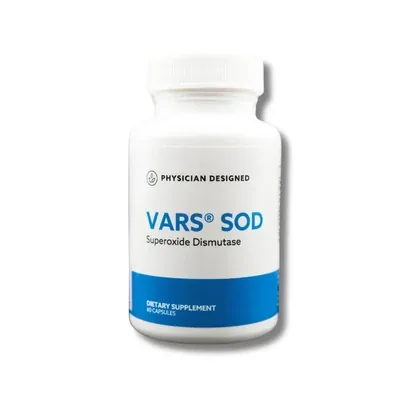
VARS SOD
Ask your clinician how this option fits your results and current medicines.
COMPARE YOUR OPTIONS
Methylation support
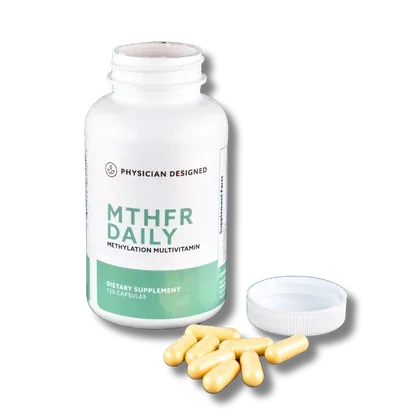
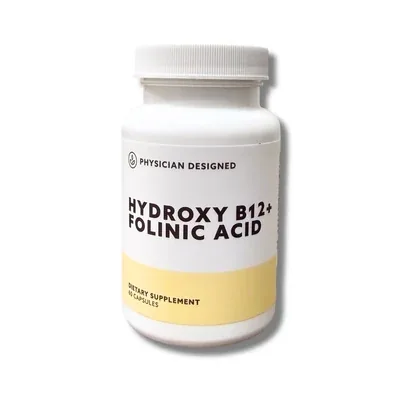
MTHFR Daily and Hydroxy B12 + Folinic Acid are alternatives. Your results can help your clinician choose between them.
Tell your care team which supplements and medicines you already take. Check the product page for current ingredients, prices, and availability.