Why this matters
Learn what a low testosterone result can and cannot tell you about its cause.
How the pieces connect
Pituitary, testicular, thyroid, and nutrition questions can lead to different tests. Finding a low number is only the beginning.
The location of a problem changes the question
Dr. Purser separates pituitary, testicular, thyroid and nutritional ideas. That is more informative than simply labeling a testosterone value “low.” The endocrine system includes signaling between organs, so clinicians may investigate whether a problem begins in hormone production or in the signals regulating it. The list also contains proposed nutrient contributors; those require evidence of the specific deficiency rather than an assumption based on fatigue or a hormone result alone.
Keep in mind
A nutrient list cannot tell you why your testosterone is low or whether a supplement will change it. Review symptoms and appropriate tests together.
A question for your next conversation
What findings point to the cause, rather than just confirming the low result?
BUILD YOUR UNDERSTANDING
A few concepts, made clearer.
Magnesium
Helps enzymes, nerves and muscles work, and participates in energy production.
Read the full referenceSelenium
Is part of proteins involved in thyroid hormone metabolism and antioxidant defense.
Read the full referenceVitamin B12 (Cobalamin)
Needed for nerve function, DNA production and healthy red blood cells.
Read the full referenceVitamin B9 (Folate)
Supports DNA synthesis and one-carbon metabolism, including the pathway that processes homocysteine.
Read the full referenceLET YOUR CURIOSITY LEAD
One idea opens another.
Choose a subject to find the related teaching across videos, articles, courses and references.
EXPLORE WITH YOUR CARE TEAM
Supplements to explore
Compare the products below, including their ingredients and available forms. Your care team can help you choose one or more options for your needs.
Explore supplements Dr. Purser discusses for methylation and antioxidant support.
Different products offer different forms and amounts. Compare the labels with your clinician to find what fits your needs.
COMPARE YOUR OPTIONS
Methylation support
Compare supplement options related to Vitamin B12.
MTHFR Daily and Hydroxy B12 + Folinic Acid are alternatives. Your folate, vitamin B12, and genetic results can help your clinician choose between them.
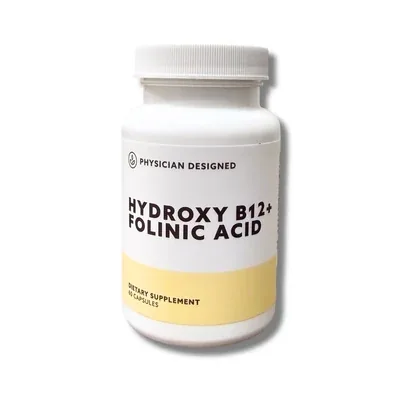
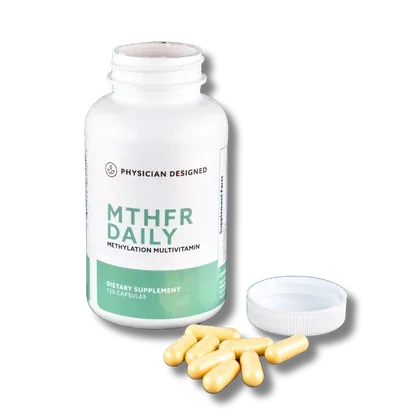
SUPPLEMENT OPTIONS
Adenosyl + Hydroxy B12
Compare supplement options related to Vitamin B12.
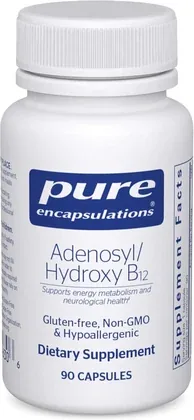
SUPPLEMENT OPTIONS
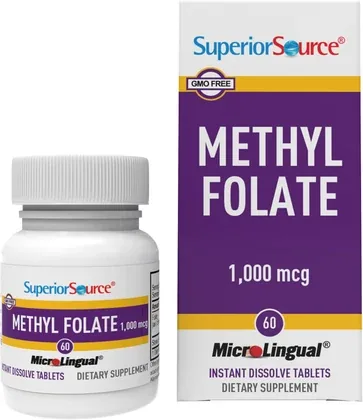
Vitamin B9 supplement options
Compare supplement options related to Vitamin B9.
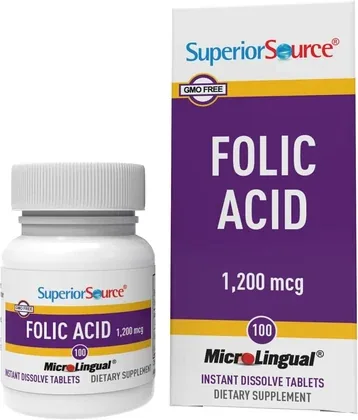
SUPPLEMENT OPTIONS
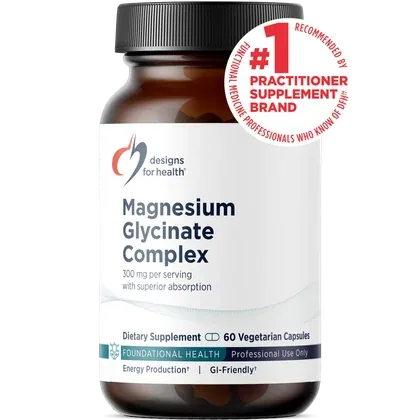
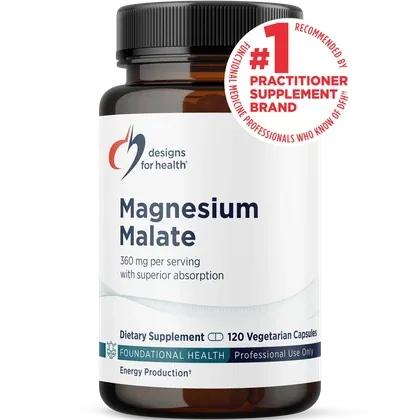
Magnesium supplement options
Compare supplement options related to Magnesium.
See more supplement options
SUPPLEMENT OPTIONS
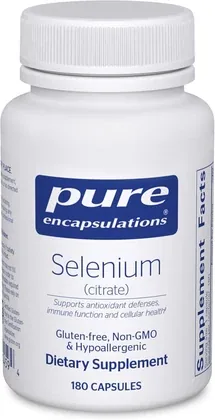
Selenium Citrate
Compare supplement options related to Selenium.
SUPPLEMENT OPTIONS
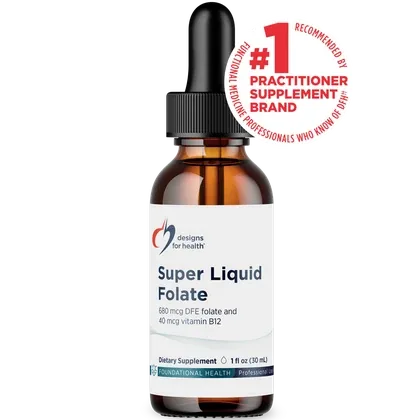
Super Liquid Folate
Compare supplement options related to Vitamin B9.
CAPSULES & LIQUID
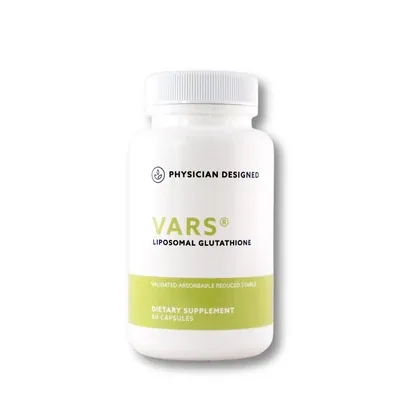
Glutathione options
Choose between capsule and liquid forms with your clinician.

SUPPLEMENT OPTIONS
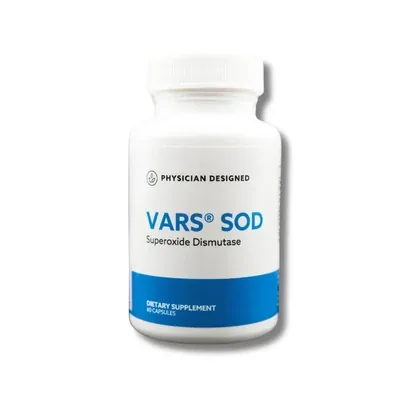
VARS SOD
Ask your clinician how this option fits your results and current medicines.
SUPPLEMENT OPTIONS
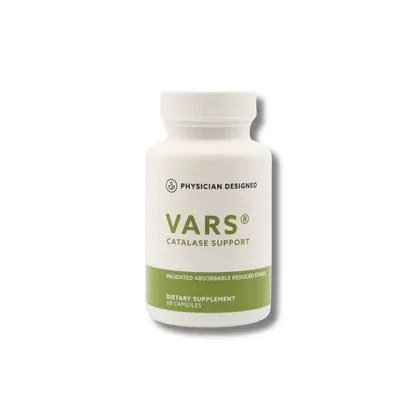
VARS Catalase Support
Ask your clinician how this option fits your results and current medicines.
Tell your care team which supplements and medicines you already take. Check the product page for current ingredients, prices, and availability.
